

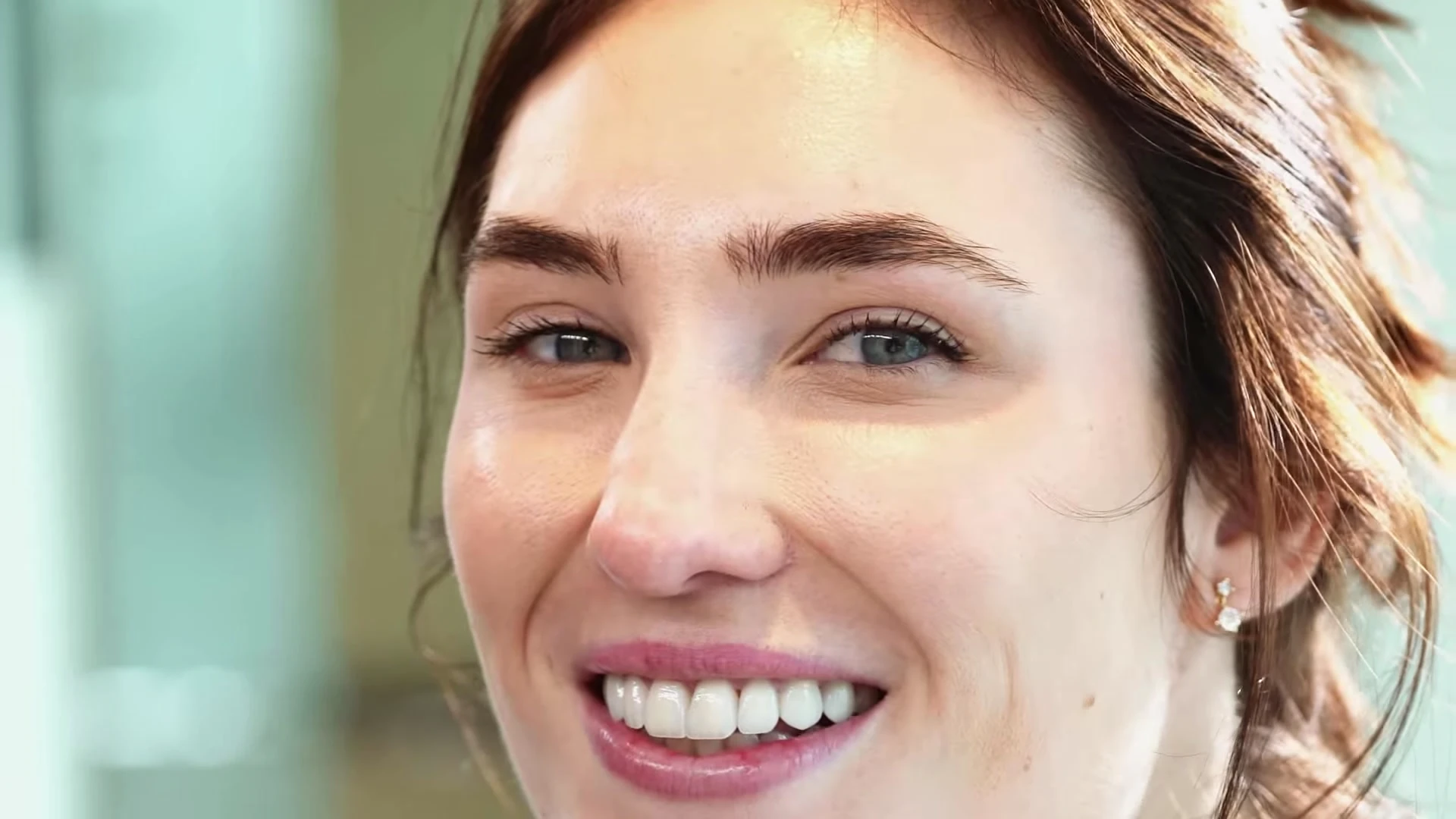
Planning a smile makeover in Dubai starts with the change you want and the condition of your teeth. Whitening, bonding, orthodontics, veneers and, where needed, crowns can play different roles. Orthodontics uses braces or clear aligners to gradually move teeth into better positions, helping address crooked or crowded teeth, gaps and bite problems. These ten answers explain where veneers may help, what treatment involves and what to ask before committing.
01What treatments can a smile makeover include?
A smile makeover can combine treatments such as whitening, bonding, orthodontics, veneers and, where appropriate, crowns. The assessment explains which options are suitable, how much change each can offer and the order of treatment.
Veneers can help create a more even, balanced, natural-looking smile by changing the visible shape, size and colour of teeth, covering chips and closing suitable small gaps. They can be used on selected teeth as part of a wider smile plan. A veneer mainly covers the front surface of a tooth. The natural tooth stays underneath and still needs care. Veneers change the appearance of teeth. They do not move them into new positions or treat decay.
A crown, also called a cap, is a different treatment from a veneer. It covers the visible part of the tooth all the way around and may be needed to protect or restore a weakened tooth.
02Do veneers look natural?
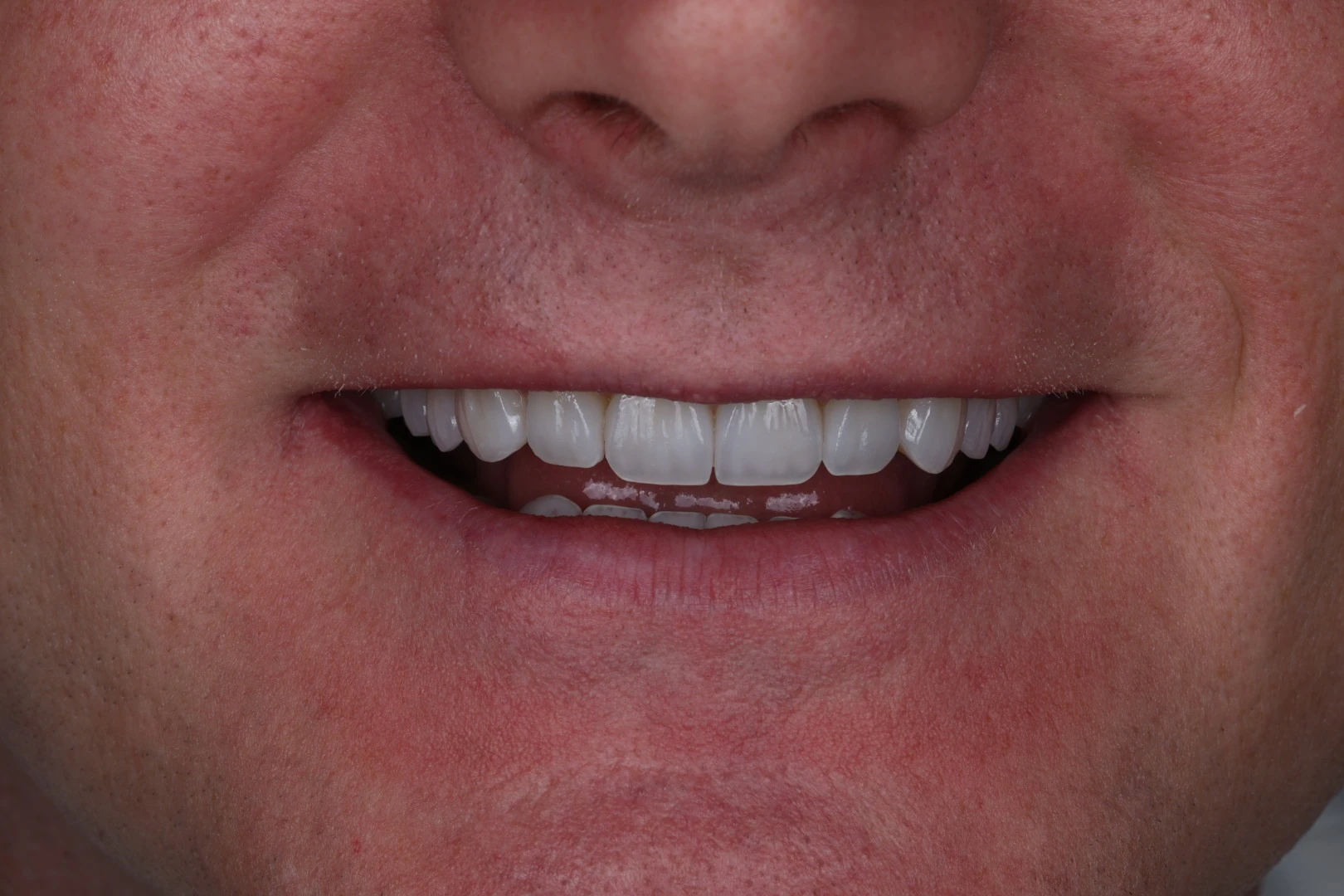
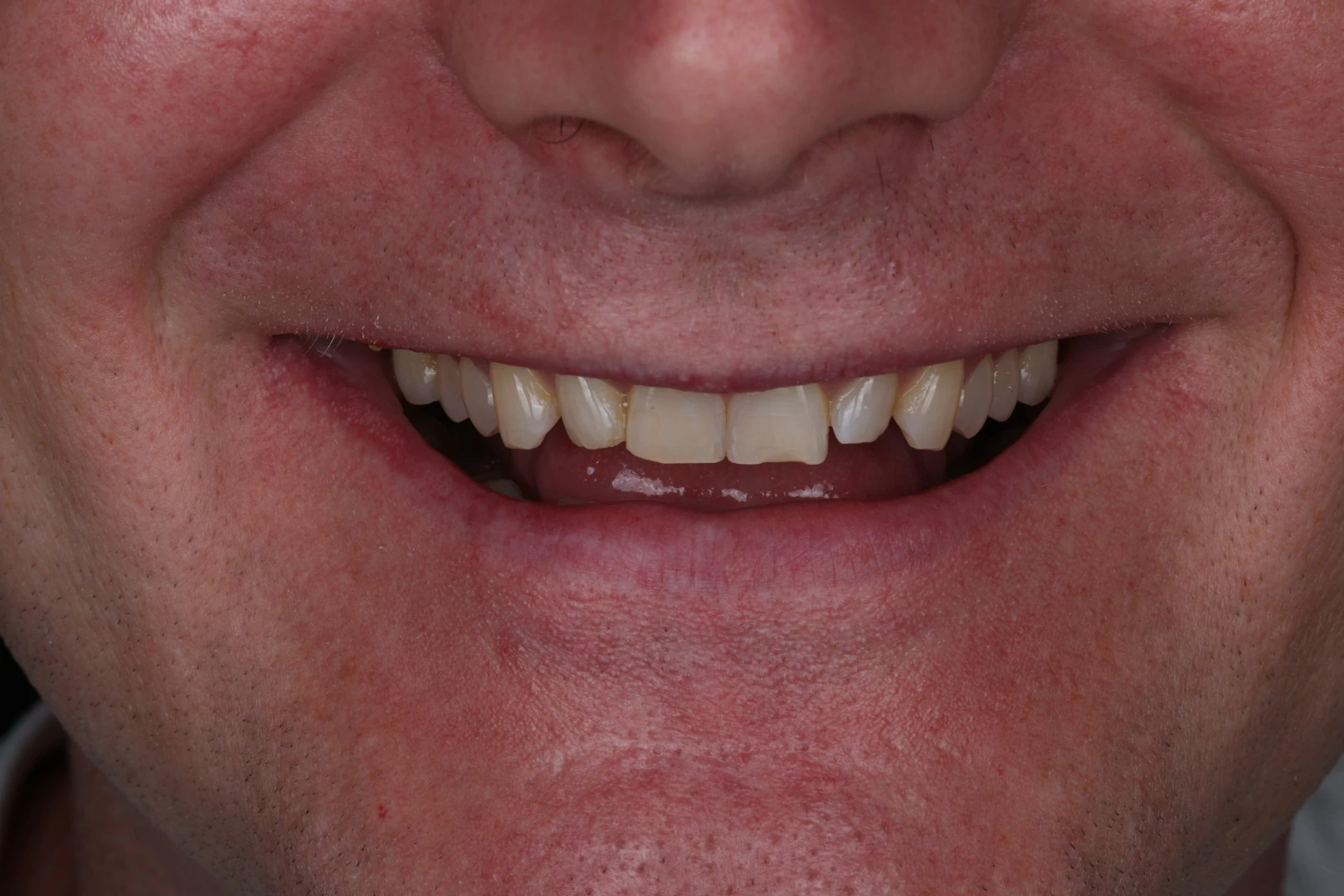
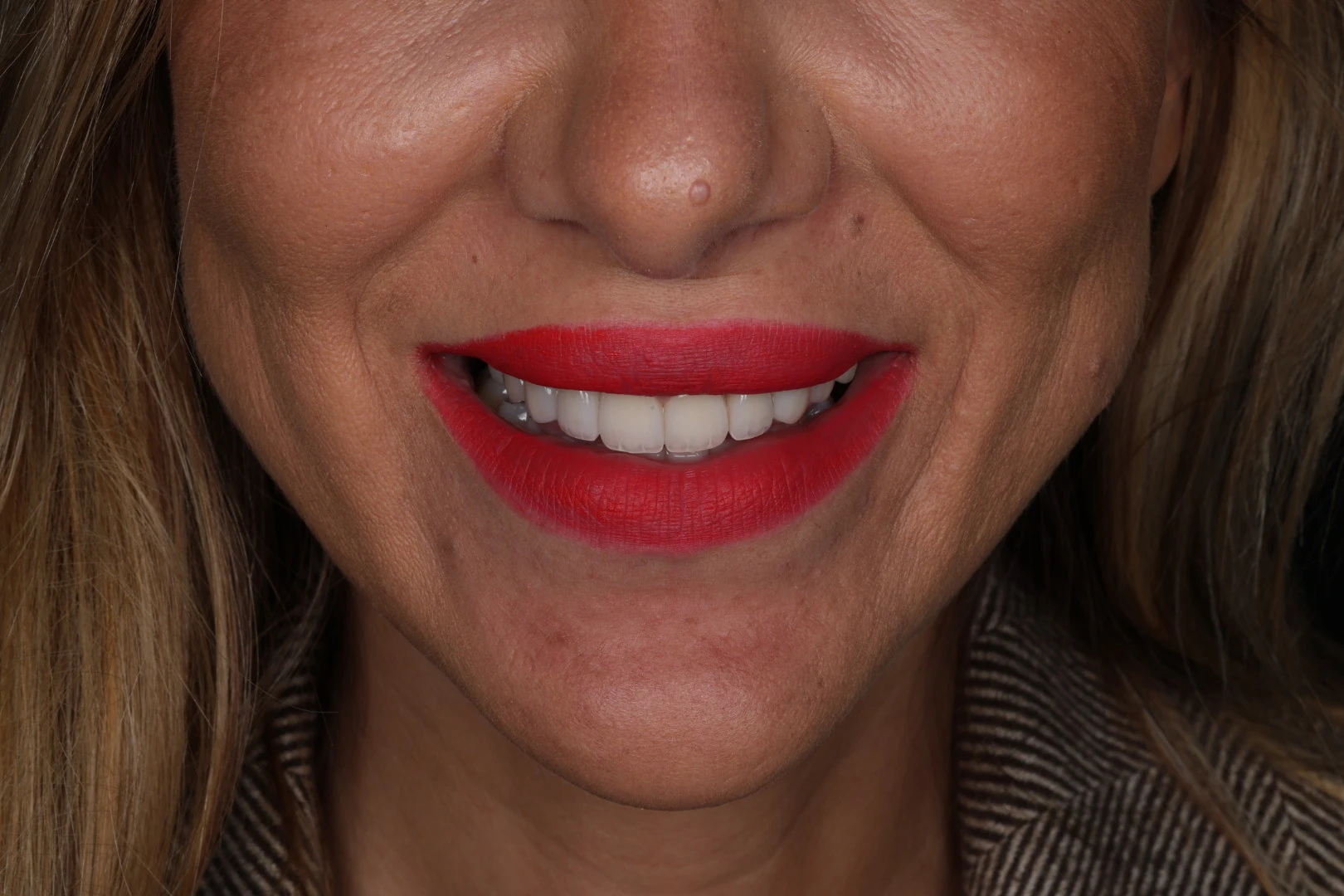
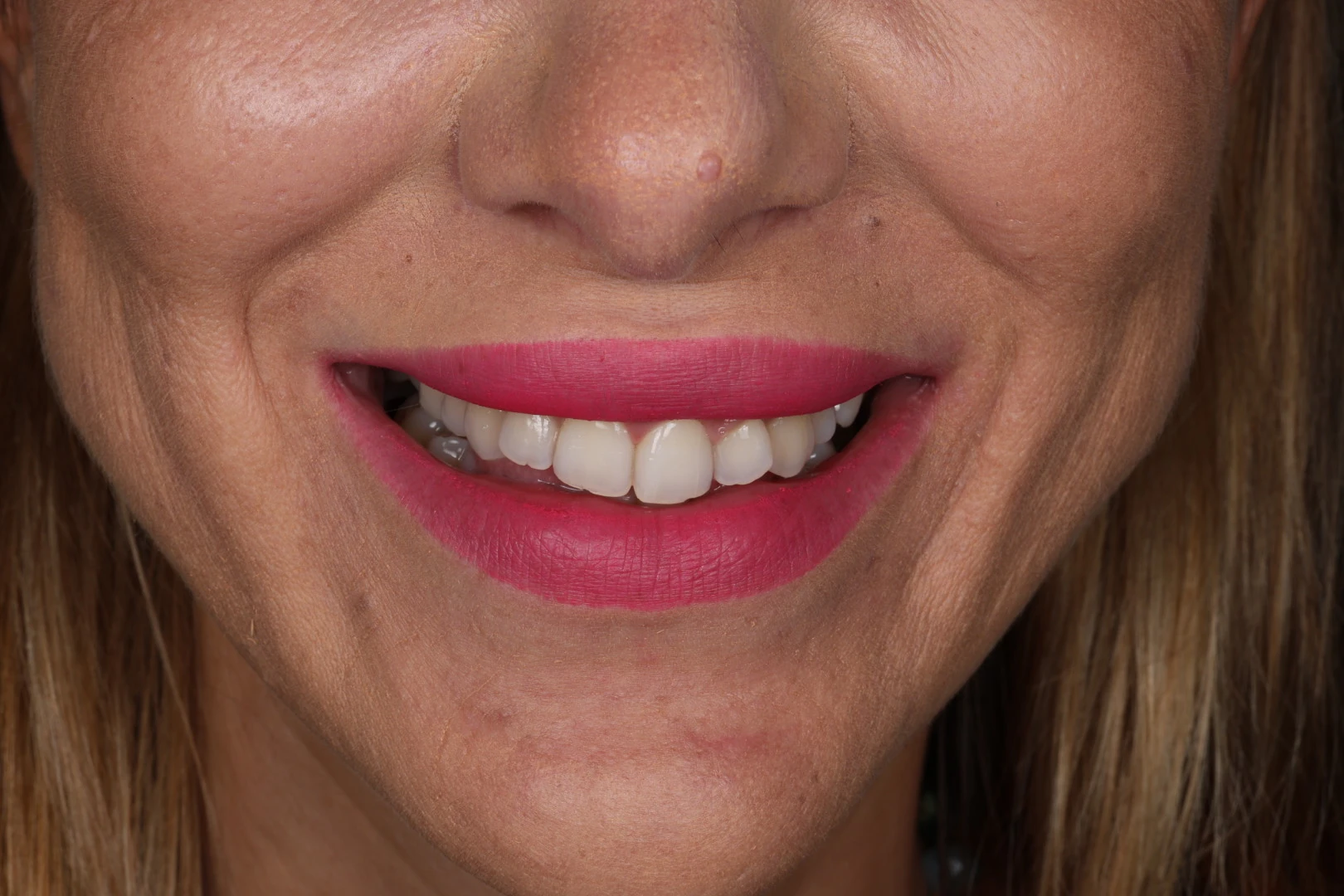
They can. Shade, length, contours and edges all contribute to how the teeth look together. Preferences can range from softer, natural shades with subtle translucency to a brighter, more uniform “Hollywood smile”. Where suitable, a mock-up can help explore the proposed shape before final veneers are made.
Dr. Parisa can use Smile Studio to create a digital rendering and discuss possible changes to tooth size, shape and shade with you. This illustrative preview helps you explore your preferred look together, while Dr. Parisa explains what is suitable and achievable for your teeth.
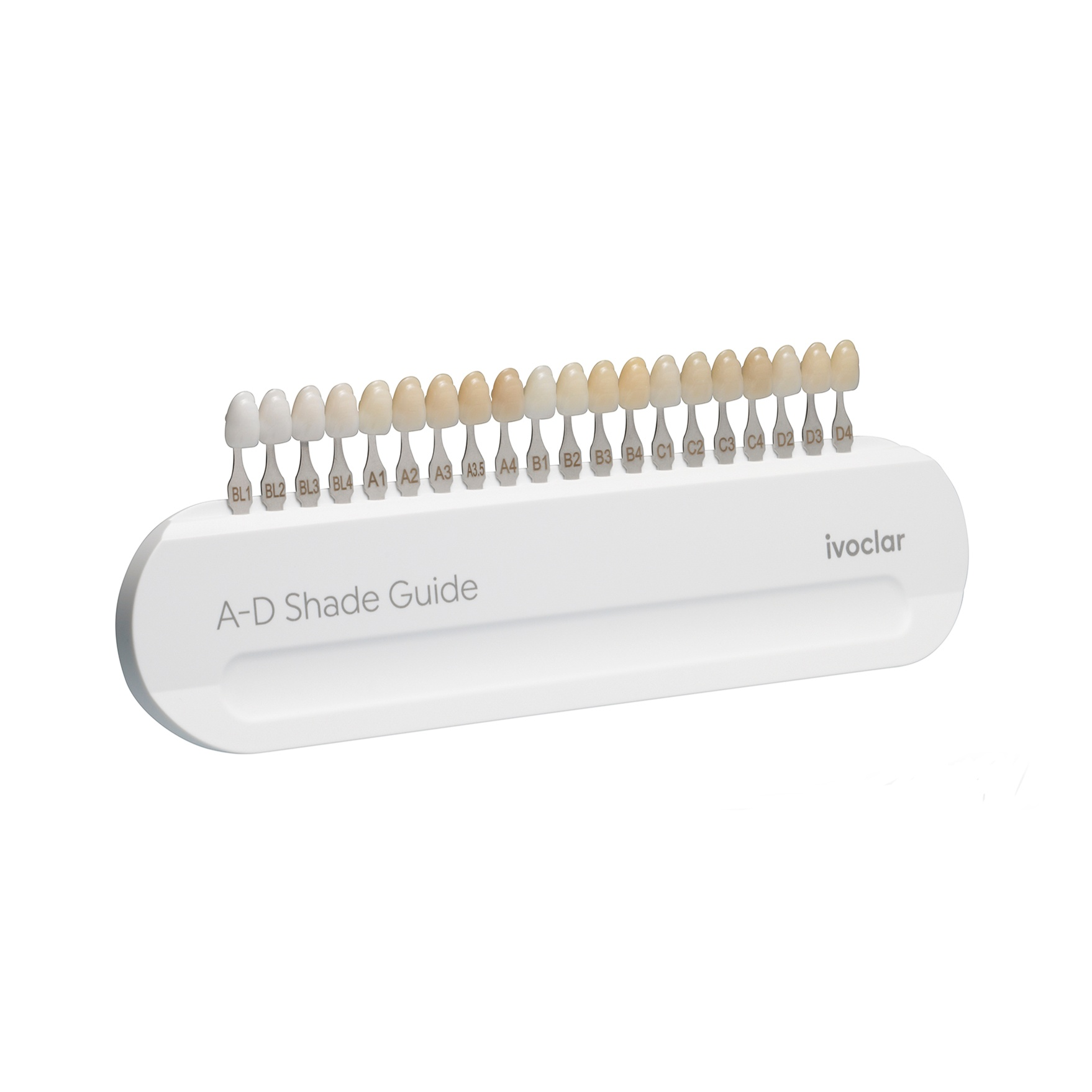
Finding your shade
For a brighter, more uniform “Hollywood” smile, discuss the bleach shades with Dr. Parisa. For a softer, natural-looking result, consider shade together with translucency, shape and surface detail. Ideally, your veneer shade should complement your skin tone, the whites of your eyes and your other facial features. A bright shade can still look natural.
03Do I need veneers on all my teeth?
Veneers are usually considered for the teeth visible in your smile, particularly the upper front teeth, rather than automatically for every tooth. A veneer can be used on one tooth or a few selected teeth. The number follows the existing smile and the intended change. A package with a fixed number cannot establish what an individual mouth needs.
A complete adult set usually has 28 teeth excluding wisdom teeth, or up to 32 with all four wisdom teeth. That is the number in the whole mouth, not the number that needs veneers.
For illustration, six upper teeth means the four incisors and two canines at the front. Eight includes the first premolar on each side; ten includes the second premolar on each side as well. A wider smile may show these premolars. These are examples to help you understand a plan and its budget, not standard recommendations.
Treatment may involve one tooth, a few upper teeth, or lower teeth where appropriate. The shade should work with the teeth left untreated. Healthy back teeth should not be included simply to fill a package.
The recommendation should explain what each veneer would change, what would stay untouched and whether a smaller intervention could address the concern. A change that whitening alone cannot achieve does not automatically mean every visible tooth needs covering.
04How do porcelain, e.max and composite veneers compare?
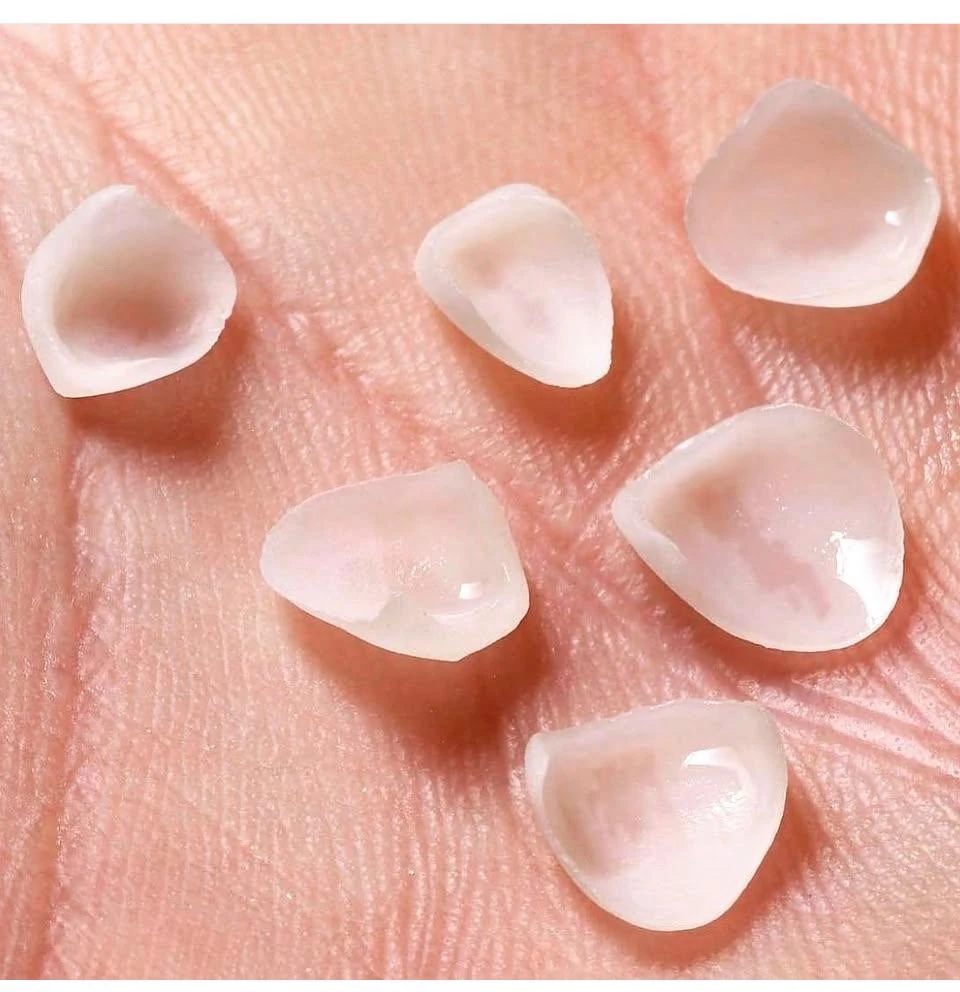
Composite veneers are made from tooth-coloured resin, similar to the material used for white fillings. With direct composite veneers, the dentist shapes it onto the tooth, hardens it with a special light and polishes it.
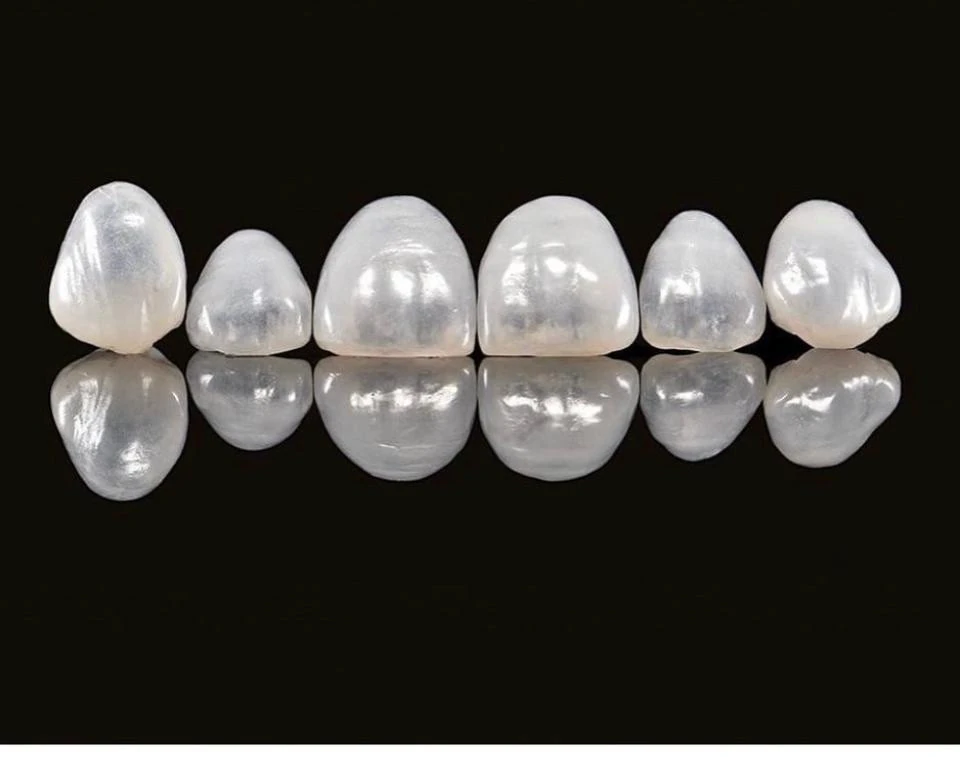
Porcelain veneers are thin ceramic shells made to fit your teeth and bonded to their front surfaces. Traditional feldspathic porcelain is one type, which a technician can build up in fine layers to recreate the colour and translucency of natural teeth.
e.max veneers are a type of ceramic veneer, usually made from lithium disilicate, a strong, tooth-coloured glass-ceramic. They can be made as a single piece or finished with additional ceramic layers to refine the appearance.
Composite usually costs less upfront and is easier to repair. It may also need less enamel removal and fewer appointments. However, it is more prone to staining and wear than ceramic, so polishing and repairs may be needed over time.
Feldspathic porcelain and e.max can both create natural-looking results and generally resist staining and wear better than composite. Ceramic repairs can be more difficult. Lithium disilicate has greater material strength than traditional feldspathic porcelain, but this alone does not predict how long a veneer will last.
The choice depends on your tooth colour, remaining enamel, bite and desired changes. Preparation, fit, bonding and aftercare matter alongside the material.
05What happens between consultation and fitting?
The dentist first examines the teeth, gums, existing dental work and bite. Grinding or clenching can affect the plan; decay or gum disease needs attention first. Photographs and an intraoral scan can support planning. An intraoral scan uses an optical scanner inside your mouth to create a 3D digital model of your teeth. Conventional impressions may be used where appropriate. X-rays are taken only when clinically needed. A photograph or digital preview alone cannot replace the examination.
After the assessment, Dr. Parisa prepares a detailed treatment plan showing which teeth would be treated, the proposed treatments and alternatives, the intended appearance, appointment stages and itemised costs. She discusses the options and trade-offs with you, including how they fit your goals, priorities and budget. The plan can then be refined together and agreed before treatment begins.
Later stages may include a preview and preparation to make room for the planned veneer. For porcelain veneers, scans or impressions guide fabrication, and temporary coverings may be needed. At fitting, the dentist checks the colour, shape and fit, then cleans and prepares the bonding surfaces before securing the veneer with dental adhesive and cement. The bite is checked and adjusted where needed. Appointments and spacing vary, and extra care or adjustments can add time. A completion date should follow assessment.
06Is tooth preparation permanent?
Enamel removal is permanent. Making room for a veneer may involve removing some of the enamel, the tooth’s hard outer layer. Enamel does not grow back. Even with little or no preparation, removing a veneer later can affect the tooth underneath.
Dr. Parisa considers “no-prep” or “no-shaving” veneers only when there is enough room to add a veneer without making the tooth bulky, for example when the existing teeth are thin or there are gaps between them. If there is too little room, veneers can look unnatural and make it harder to clean around the gumline, which can affect gum health. Dr. Parisa assesses your teeth, gums and bite and advises on a case-by-case basis whether any preparation is needed.
07Why might a veneer chip or come off early?
A veneer can chip, crack or come loose, sometimes within months of fitting. Possible contributors include heavy bite forces, grinding or clenching, biting hard objects, or problems with the veneer’s fit, support or bonding. Timing alone cannot tell you why it happened. The dentist needs to examine the veneer and the tooth underneath, and check how the teeth meet.
Very limited preparation can be appropriate and helps preserve healthy tooth structure. Rushing into treatment, or choosing a “no-prep” or “no-shaving” offer without proper investigation of the teeth, gums, bite and bonding conditions, increases the risk of avoidable problems.
Sensitivity is another possible complication. Persistent pain, sensitivity or a bite that feels wrong deserves review. If a veneer chips or comes off, contact your dentist and keep any detached piece to bring to the appointment. Do not try to glue it back yourself.
08How long do veneers last, and can they be repaired?
As a broad planning guide, ceramic veneers may last around 10–15 years and composite veneers around 5–7 years, sometimes longer. These ranges are not a guarantee, and polishing, repairs or replacement may be needed sooner. The tooth underneath, the bond, bite forces and ongoing care all matter. Grinding has been associated with a greater risk of failure.
Repair, rebonding and replacement are different options. A small chip may be smoothed or repaired with composite. An intact veneer that has come off may sometimes be rebonded if it still fits and the tooth is suitable. A larger fracture, poor fit or decay may require replacement, treatment of the tooth underneath, or both. The cause needs assessment before deciding how to fix it.
Daily cleaning and dental reviews remain important because teeth and gums are still vulnerable to disease. Avoid biting hard objects or using teeth to open packaging. A protective appliance may be recommended where appropriate. Maintenance may include polishing, repairs or eventual replacement.
09What do veneers cost in Dubai, and what is included?
As an indicative Dubai guide, porcelain or ceramic veneers can range from AED 1,200 to AED 10,000 per veneer. These are general market figures, not Dr. Parisa’s fees or a quotation for your care. The total depends on the number of teeth, the material, laboratory work and any treatment needed first.
Seeing the tooth count
The examples below show how the same number of upper and lower veneers adds up. Lower teeth do not automatically need treatment.
6 upper + 6 lower
12 teeth in total
Four incisors and two canines in each arch.
8 upper + 8 lower
16 teeth in total
Adds the first premolar on each side of each arch.
10 upper + 10 lower
20 teeth in total
Also includes the second premolar on each side of each arch.
Are crowns more expensive than veneers? Not necessarily. Their prices can overlap. The material, laboratory work and complexity of the tooth determine the cost. If a tooth also needs a build-up or root canal treatment, that can increase the overall bill. Ask for an itemised estimate for each tooth. The choice between a crown and a veneer should be based on what the tooth needs, rather than price alone.
When comparing lower-priced veneers, ask to see examples of completed cases so you can judge the quality and appearance of the veneers. Ask about the qualifications of the dental technician or ceramist who will make them and the qualifications, experience and skill of the cosmetic dentist who will fit them. A thorough assessment and careful fitting and bonding matter. Ask for an individual examination and a written plan explaining why each tooth needs treatment, which material will be used and whether each restoration is a veneer or a crown. Ask how much tooth preparation is proposed and whether a smaller intervention could achieve the intended change.
Ask for an itemised estimate covering assessment, imaging, design, fabrication, temporary coverings, fitting and reviews, with any applicable VAT and extra costs made clear. Check the arrangements and possible costs for repairs, replacements and follow-up. A per-tooth headline may leave some of that work out.
Check the treating dentist’s licence and ask who will provide aftercare. Take time to consider the plan. Pressure to commit before assessment, unclear treatment descriptions or a package size that is not explained are reasons to pause and seek another opinion.
10Can I have veneers while visiting Dubai?
Yes, veneers can often be planned and fitted while you are visiting Dubai. Suitability must be assessed, and the appointments, laboratory work, fitting and review should be agreed with Dr. Parisa before you book travel. A makeover that includes orthodontics or other preparatory treatment may take longer. If follow-up will happen elsewhere, records, aftercare information and a clear route for help belong in the plan. The final fitting need not be the final contact with the treating team. A consultation can establish what is realistic before any decision about treatment during the visit.
Dr. Parisa practices in JLT, Dubai. For travel planning, see Smile Makeover in Dubai: 10 Things to Know Before You Travel.